

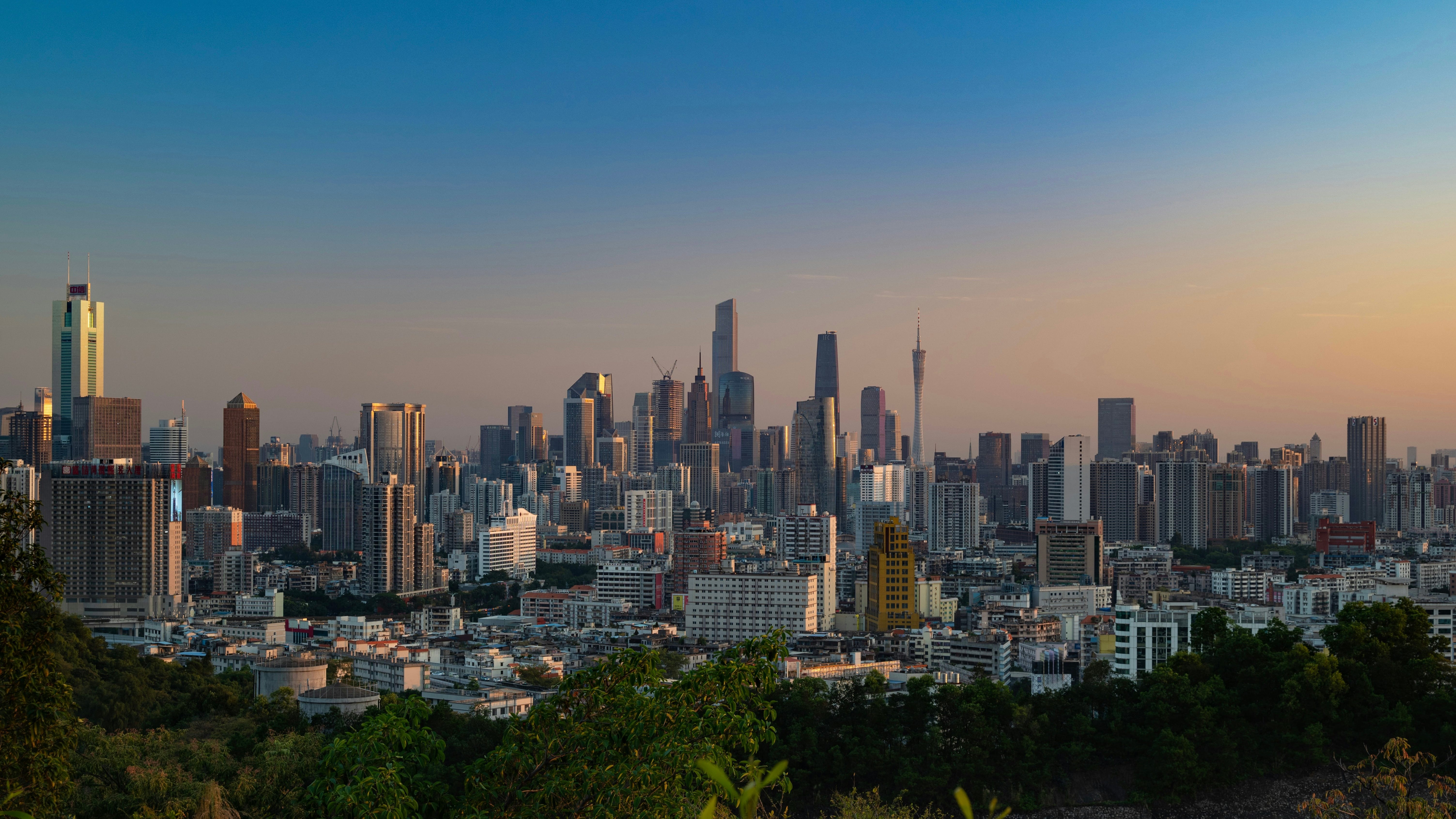
When the lecture was over, he lingered at the lectern for a moment. In front of him, the students slowly pushed their chairs back. Laptops were closed. Books and notebooks gradually disappeared into bags and backpacks. The buzz of voices, which had nearly fallen silent during the seminar, gradually returned. At first tentatively. Then a little more animatedly. It slowly spread throughout the room, filling it with that quiet chaos that always accompanied the end of a long afternoon at the university.
The dim light of the setting sun streamed through the tall windows. It settled quietly over the tables, over the open books, and over the large map on the blackboard. Lines, areas, and borders were still discernible. But they had already lost some of their clarity. The chalk drawings, which had been created with a steady hand at the beginning of the lecture, were beginning to fade. Here and there, outlines had already blurred. Where countries, coastlines, and mountain ranges had just moments ago held their place, only a fine, light dust remained on the dark board.
Most student questions were about recommended reading or deadlines. Others wanted to know more. But some questions didn’t have a quick answer. He closed the last book and slowly set the chalk aside. Then he stowed his papers in the old leather bag that had been with him for many years. By then, most of the students had left the room. Their voices slowly faded away in the hallway. Only one young man remained. He stood by the door for a moment.
“Professor? May I ask you one more thing?”
He looked up and nodded at him. “The interview tomorrow,” the student asked. “Will it be conducted in English or Arabic?” He thought for a moment. His gaze rested quietly on the few documents still lying on the desk. “Probably in Arabic,” he said finally. “But that’s often decided at the last minute. The language itself gives away who the interview is actually intended for.” The student smiled. “Then I hope they’ll give you a little more time this time.” A soft chuckle escaped his lips. “With interviews of this magnitude, there’s rarely enough time for that.” The student said goodbye. He gently closed the door behind him. His footsteps slowly faded away down the hallway. Then silence fell. The professor paused for a brief moment, turned off the light, picked up his leather briefcase, and stepped out.
He had long since become familiar with the path across campus. Wide avenues stretched peacefully across the grounds. Old banyan trees lined the paths. Their massive roots rose out of the ground in places and spread across the ground in winding lines. Small groups of students had gathered beneath their dense canopy of leaves. Some sat on the low walls, chatting about exams, music, or their plans for the coming weekend. Bicycles glided silently past them. Soft music drifted over from somewhere. The wind carried only fragments of the melody with it, only to lose them again among the trees. He had gotten into the habit of walking home after class. Some thoughts simply wouldn’t let him finish thinking them through in the lecture hall.
Behind the main building, a view of the city opened up. The tall glass facades of the buildings rose above the treetops. The late-afternoon light reflected off their windows, casting a cool shimmer over the steel and concrete. The humid warmth of the day still lingered between the towers. It hung like a light veil over the city, gradually blurring the most distant buildings in the haze. Everything seemed orderly. Almost manageable. But this impression was deceptive. Guangzhou was restless. Hardly a trip went by without something having changed. Sometimes a familiar street seemed to have vanished. Sometimes, where there had been open space just a few weeks earlier, a new neighborhood was already rising. The city never stood still. And yet there were paths that stubbornly resisted this change.
He left the university campus and followed the street that took him home most days. He liked this hour between class and evening. The day wasn’t over yet, and yet he had already left his busiest part of the day behind him. The heat was slowly losing its oppressive quality. Everything seemed to be gently preparing for the evening. He continued walking slowly.
At first, his path took him through the new Guangzhou. Wide streets wound their way between the tall buildings. Their smooth facades caught the afternoon light and reflected it back in cool shades of blue. Employees stood in front of the entrances to the large office buildings. Some still held a cup in their hands. Others stared silently at their phones. Motorcycles hummed as they glided by. Delivery drivers maneuvered skillfully through the traffic, balancing boxes and bags on their vehicles. Above it all was the steady hum of the air conditioners. It floated high between the buildings and faded only slowly into the warm air.
The wide sidewalks were still crowded with people. They made their way along in quiet, steady streams. Hardly anyone stopped. Everyone seemed to have their destination in mind. Between the tall building facades, the sky was visible only in narrow strips. Light reached the ground only in patches. At the major intersections, long lines of scooters waited for the traffic lights to change. They stood silently side by side. Then the light changed. Almost simultaneously, they set off and glided through the streets like a vast swarm until, a short time later, they had disappeared once more between the buildings.
The city never seemed to come to a complete standstill. Even in its few quiet moments, it felt as though it were pausing only for an instant. Its streets knew no long breaks. Life flowed through them. People, vehicles, and voices followed one after another. They were part of a single, never-ending movement. The city breathed deeply and steadily. And even when it grew quieter for a moment, it was only the calm before its next surge of activity.
With every block, the city changed. The streets grew narrower. The buildings became lower. Old signs hung above the small shops, their colors having slowly faded over the years. Glass and steel gradually gave way to small stores with their doors wide open. Everything seemed calmer. And yet life here felt more alive than among the tall facades of the new neighborhood.
An old man sat on a low wooden chair in front of a small tailor shop. Right next to him, a woman was carefully arranging bowls of herbs. Their spicy scent mingled with the warm broth wafting out onto the street from a small noodle shop. Over many years, the paint on some of the signs had slowly faded. The facades bore the marks of countless rainy seasons. Here and there, fine cracks ran through the concrete. From some of them, small plants had made their way up toward the light. In front of one of the shops stood several cages with songbirds. Their singing mingled with the voices of the people and the soft clatter of bowls and dishes. The entire street seemed to be in constant motion. Life there had been following its usual course for a long time.
He instinctively slowed his pace. These old streets had their own tranquility. Their own rhythm. Everything moved more slowly. And yet nothing seemed to stand still. Old men sat on small wooden stools, silently sipping their tea and gazing out onto the street. Evening was noticeably drawing nearer. Soft conversations drifted out from the open windows. In between, the steady hum of old fans could be heard. The humid heat of the day still hung in the narrow alleys. It clung to the walls and, even now, refused to give way to the approaching evening. Clotheslines stretched from one window to the next between the houses. Power lines ran through the alleys above people’s heads. They were as much a part of this place as the old facades and the trees whose branches leaned over the street.
The farther the professor walked, the more the city’s voice changed. The steady hum of the city gradually faded behind him. With every step, it grew quieter. And smaller. Other sounds took its place. From a small courtyard came the dry clatter of a mahjong table. Shortly afterward, the high-pitched ring of a bicycle bell sounded. Not far away, the steady tapping of a knife on a wooden cutting board could be heard. For a brief moment, everything seemed to blend together. The voices, the sounds, and the quiet life of these old streets.
He kept walking until he finally stopped in front of a small teahouse. It was set back a bit between an old bookstore and a watchmaker’s shop. Behind the shop’s window, yellowed dials and old pocket watches were lined up side by side. Anyone walking down the street without paying attention could easily have overlooked the little teahouse. It didn’t stand out. It almost seemed as if it wanted to remain hidden among the old houses. The wooden door stood wide open. Behind it, the view led into a narrow room. The scent of fresh tea leaves greeted anyone who crossed the threshold. Mixed in with it was the smell of old wood. The noise remained outside the open door and dared to penetrate the small room only in a muffled form. Nothing seemed to be in a hurry.
He sat down at the small table by the window. The wood had become smooth along the edges from long use. It bore the silent traces of many hands that had rested there over the years. Old black-and-white photographs of the city hung on the walls. They showed wide boulevards from another era. Bicycles and large trees dominated the streetscape. Cars were rarely seen. On a narrow shelf stood metal tea cans. Each was labeled with a small handwritten tag. Everything had its designated place. A few moments later, the owner approached his table. Without a word, she set a simple porcelain teapot and a small cup in front of him. Her movements were calm and confident. The teahouse was one of those places where the same routines were carried out with care, day after day. From the watchmaker’s shop next door, the steady ticking of an old pendulum clock drifted over in a muffled tone. It blended unobtrusively with the silence of the room and seemed to become one with it.
He poured himself some tea. Thin wisps of steam rose slowly from the cup. For a moment, they lingered in the warm air. Then they dissipated silently. He liked that first moment. The tea was still too hot to drink in a hurry. He briefly watched the alley through the window. The first lights above the small shops were turned on, casting a warm glow on the pavement. Then he took his phone out of his pocket. A reminder flashed briefly on the screen.
Al Jazeera, tomorrow, 9:00 AM, local time Doha.
He set the phone down next to the teapot and slowly poured himself another cup. Warm steam rose from the cup once more. For a moment, his gaze lingered on the light-colored tea.
In the early years, he had carefully prepared for every interview. He had checked figures, taken notes, and thought long and hard about specific phrasing. Nothing was to be left to chance. But over time, he had given up this habit. Not because the topics meant less to him. On the contrary. The longer he dealt with them, the clearer it had become to him how rarely big questions could be answered in just a few sentences. And certainties often seemed to exist only when there was sufficient distance.
He raised the cup to his lips. The tea was clear and had a subtle flavor. It softened and left a delicate, barely perceptible bitterness.
Most of his students first learned about the Levant in his lectures. Later, they encountered it again in the maps in their textbooks or in the evening news reports. In their eyes, it was a region between the Mediterranean and the desert, a space defined by borders, conflicts, and political interests.
For him, it had never been a region.
To him, she was the warm light just before sunset, refracting off bright stone facades and bathing entire blocks in a soft golden glow for a few minutes. She was the scent of jasmine and orange blossoms wafting out from courtyards onto the streets. And the clink of small coffee glasses whenever a tray was set down somewhere. She was the murmur of conversations carried across open windows and balconies, as if there were no hurry and no reason to end them. She was the warmth of old houses that, even deep into the night, still held the warmth of the previous day within them. It was the smell of coffee with cardamom wafting through the streets in the early morning. It was the distant tolling of a church bell mingling with the call from the minarets as evening slowly settled over the rooftops. Above all, however, it was the peculiar closeness of the people to one another. And the feeling that even the narrowest streets and smallest alleys were never truly empty.
He leaned back. Outside, the light began to change slowly. The shadows in the narrow alley grew longer and gently settled over the old cobblestones. High above the rooftops, the glass facades of the modern towers caught the last rays of the day. They glowed quietly in the setting sun and seemed to carry their own light into the evening. Deep below them lay the old streets. Quiet. Unchanged. It seemed as though they had long since learned not to succumb to the hustle and bustle of the big city. They rested in their own time and patiently let change pass them by.
He remained seated for a while longer. The minutes passed in silence. He placed a few bills on the table. Then he thanked the owner with a brief nod and walked out. Not far away, a radio began to play. The soft music mingled with the voices of the people and gradually faded into the darkening air.
Behind him, the wooden door of the teahouse closed. His path led him further down the narrow alley. It faded into the quiet light of the evening. And twilight gradually descended over the rooftops of Guangzhou.
Photo by Wally Yang on Unsplash